• (+30) 2105232044
  • info@iis-international.org
  • Athens, Greece

ITS2026

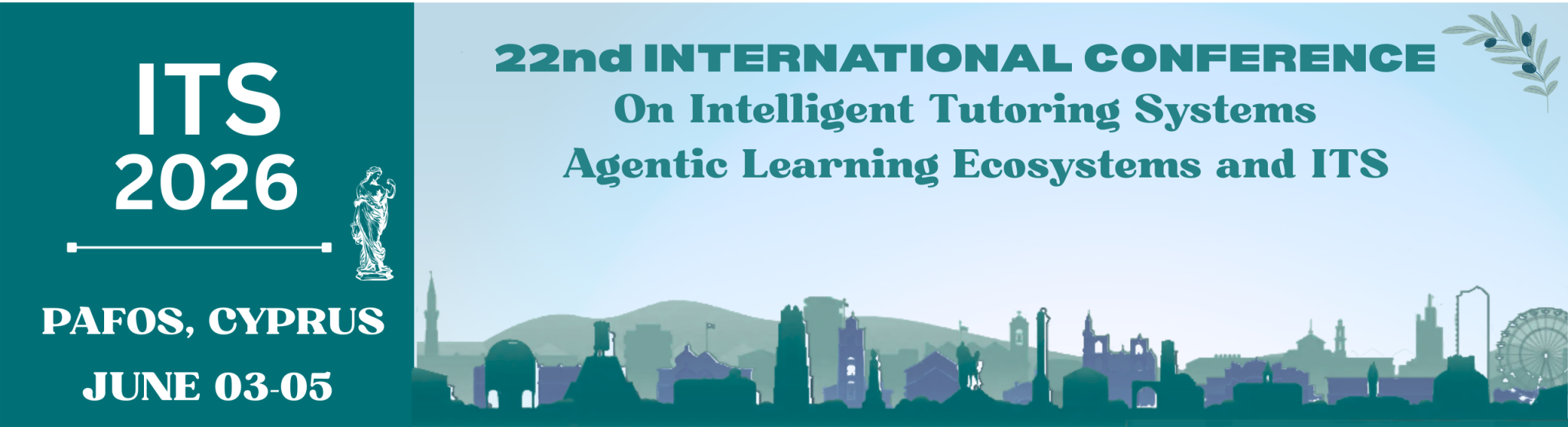
ITS2026 is the upcoming Conference of the series of Intelligent Tutoring Systems Conferences on Computer and Cognitive Sciences, Artificial Intelligence, and Deep Learning in Tutoring and Education. ITS2026 will be held in Pafos, Cyprus, from June 03 to June 05, 2026, and will be co-hosted by Neapolis University Pafos. The conference will be hybrid and it will allow participants to attend it online too.

THEME OF THE CONFERENCE

The ITS2026 Conference is about ‘’Agentic Learning Ecosystems and ITS’’

ITS is evolving to new concepts of Artificial Intelligence (AI) which can be applied in various disciplines and can serve human education and well-being, shifting system-centric to ecosystem centric design. These new concepts are based on Agentic AI , a class of AI based on autonomous agents that can make decisions and perform tasks with limited human interventionResulting from the development of generative intelligence and adaptive intelligent agents research they can shift the design of intelligent  systems in learning, teaching, healthcare and well-being, ITS architectures, human interaction, learning analytics, knowledge modeling, adaptive intelligence, and large language  models. They can serve to explore immersive, persistent, and interconnected learning environments powered by AI including digital twins, metaverse ecosystems, XR, and avatars. They can also  ensure that AI systems for learning are safe, transparent, equitable, and institutionally sustainable. They seek to discover how language and generative intelligence shape human–AI communication, educational discourse, and automated content creation in education. They aim to examine how physical and embodied AI systems engage in learning, teaching, or skill acquisition through sensory, motor, and social interaction


NEWS

Dear Authors,

The registration is now open!!!

You can register throught the following link: 

https://iis-international.org/registration-its2026/

We remain at your disposal for any questions or guidance.


For authors who wish to prepare their presentation, please note that the duration for each paper category is as follows: 

Full papers: 30 minutes (25′ of presentation plus 5′ Q&A)

Short papers: 20 minutes (15′ of presentation plus 5′ Q&A)

Posters: 15 minutes (10′ of presentation plus 5′ Q&A)


Posters: Especially for posters a digital Poster can be additionally submitted and presented if authors wish so.


Dear Authors,

According to Springer’s guidelines, in the copyright form, both electronic and handwritten signatures are acceptable.

TRACKS AND TOPICS OF INTEREST

The conference is supported by the following tracks in which the concepts of Agentic AI mentioned above contribute to the increase of human intelligence.  Each track includes (but is not limited to) a list of topics of interest which can be found below. Submitted papers should refer to one of the corresponding tracks.

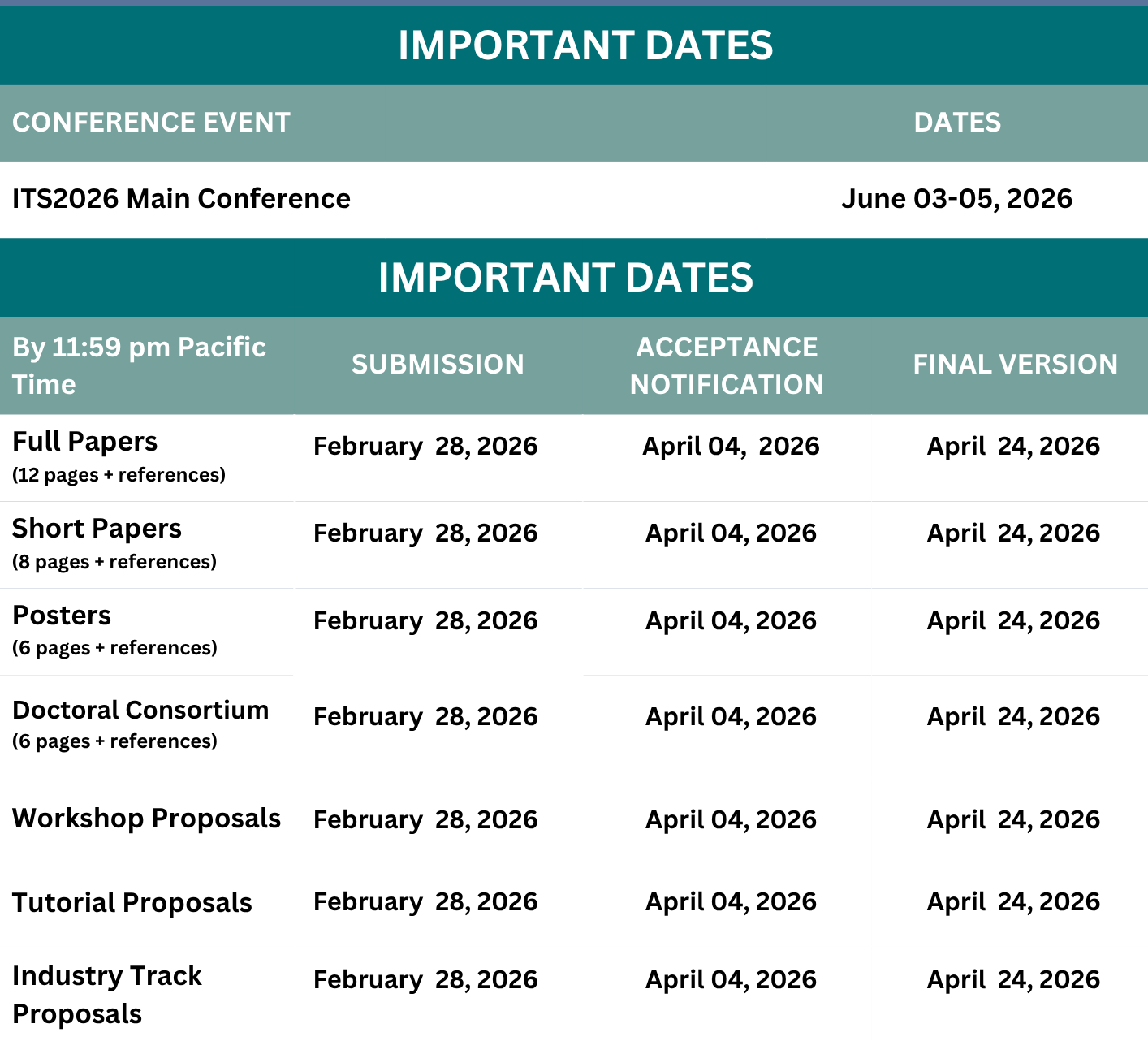
ITS2026 announces an open CFP and invites authors to submit their contributions in the form of scientific papers,  posters, doctoral consortium papers, workshop/tutorial proposals by February 28, 2026. Acceptance notification will be sent to authors by March 30, 2026. Paper submission should be made through the Easy Chair platform.

The ITS2026 Conference invites submissions to be presented and discussed during the Conference. All papers must be original and not simultaneously submitted to or published in any other journal or conference. Papers should be submitted referring to a precise conference track.

The following categories are welcome: Full papers – twelve (12) pages, Short papers – eight (8) pages, Posters – six (6) pages. Please note that the bibliography and references are not included in these page limits.

All paper submissions should be made through the Easychair platform. Paper submissions should be in PDF and in English.

To facilitate the uploading of your paper (s) on the Easy Chair platform,  please click here: https://easychair.org/my2/conference?conf=its2026

In order to increase high-quality papers and independent merit, the evaluation process of papers is double-blind. All papers submitted for review MUST not contain the authors’ names, affiliations, or any information that may disclose the authors’ identity (this information is to be restored in the camera-ready version upon acceptance). Authors should replace names and affiliations with Xs on submitted papers. In particular, in the version submitted for review, they should avoid explicit auto-references, such as “in [1] we show” — consider “in [1] it is shown“; i.e. they may cite previous works, provided that they are not deducible from the text that the cited works belong to the authors. When citing their previous work, they should keep the names with Xs.


Full Paper Submission and Presentation:
Each accepted full paper should present either a comprehensive review or original research with substantial new contributions. These papers will be delivered as long oral presentations during the main conference program. Please note that some full paper submissions may be reclassified as short papers based on the reviewers’ evaluations.


Short Paper Submission and Presentation:
Each accepted short paper should present novel, though not necessarily fully developed, research findings. These papers will be presented as short oral talks within the main conference program, providing an opportunity for visibility among researchers and practitioners.
COMMITTEES

KEYNOTE SPEAKERS

VENUE

Hosting City

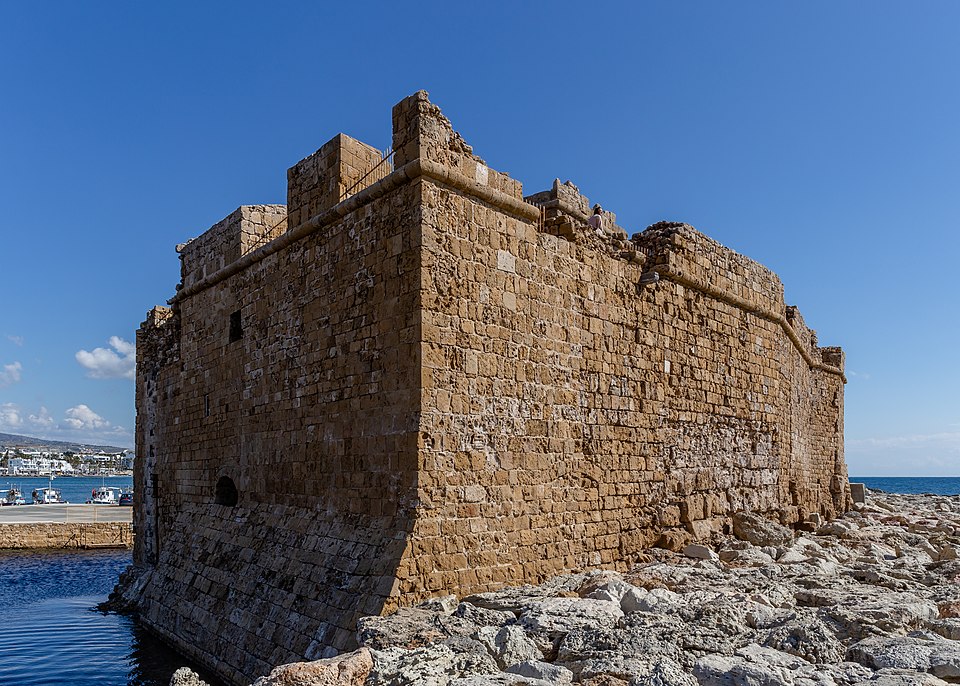
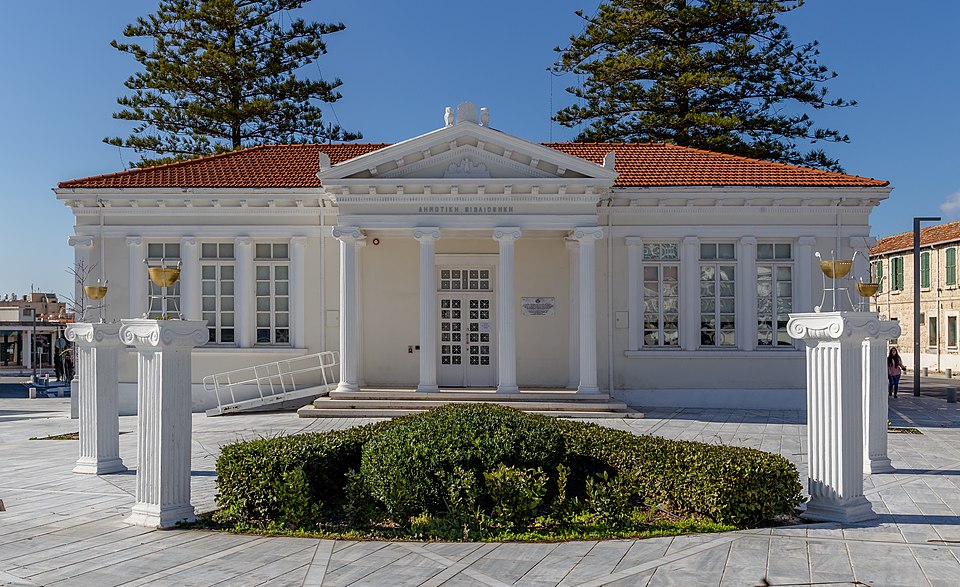
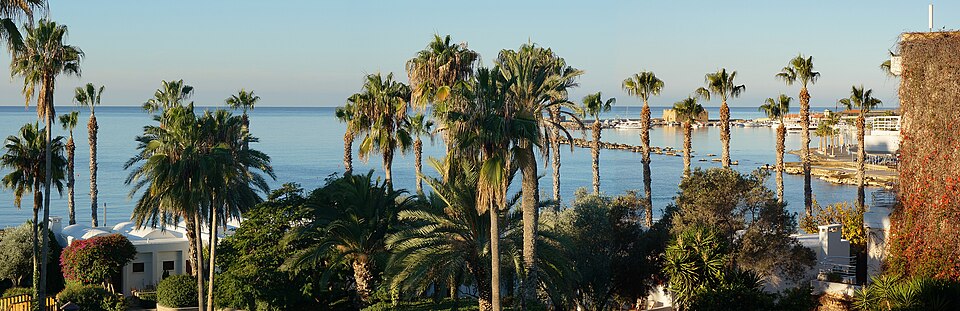
Paphos (also spelled Pafos) is a coastal city in southwest Cyprus and the capital of the Paphos District. In classical antiquity, two sites bore this name: Old Paphos, known today as Kouklia, and New Paphos.

Today, it is the fourth-largest city in Cyprus, after Nicosia, Limassol, and Larnaca, with an urban population of around 55,000. Located on the Mediterranean coast, about 50 km (30 mi) west of Limassol—the island’s main port—it is connected to it by the A6 highway. Paphos International Airport, the second-largest in Cyprus, serves as a key gateway to the island’s western and southern regions.

The city enjoys a subtropical Mediterranean climate, with some of the mildest temperatures on the island. In 1980, Paphos was inscribed on the UNESCO World Heritage List for its ancient architecture, intricate mosaics, and religious significance. Later, in 2017, it was named a European Capital of Culture, alongside Aarhus, Denmark.

Hosting Institution

Conference Venue

Neapolis University Pafos

Historical Information on Pafos

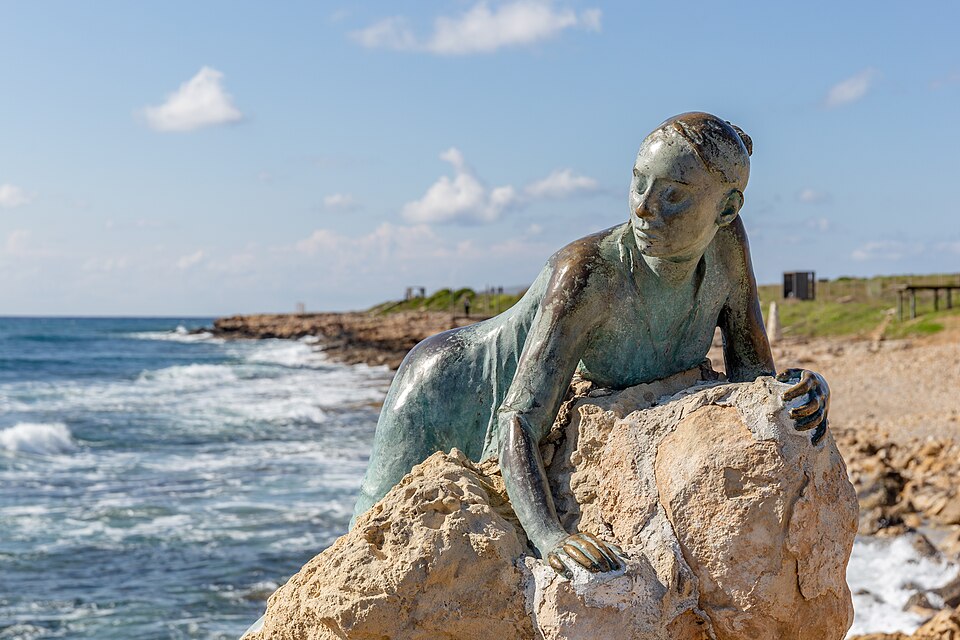
Paphos is the birthplace of the goddess Venus, where beauty and mythology come together by the sea.

REGISTRATION FEES AND DEADLINES

Registration fees for Authors: 350 euros for each approved paper. At least one author of each accepted full paper/short paper/poster must register until May 05, 2026, the latest, so that their accepted submission appears in the Conference Proceedings.


Onsite* attendance for authors, co-authors and non-authors requires an additional registration fee based on the categories indicated below:

Early Bird registration: 160 euros (by May 05, 2026)

Regular registration: 180 euros (by May 15, 2026)

Late registration: 200 euros (after May 15, 2026)


Onsite* attendance for students requires a reduced fee based on the categories indicated below:

Early Bird registration: 120 euros (by May 05, 2026)

Regular registration: 150 euros (by May 15, 2026)

Late registration: 180 euros (after May 15, 2026)


*Registration for onsite attendance includes light lunches, all day coffee breaks, reception and welfare dinner.


Online attendance: Gratis.


Registration platform: https://iis-international.org/register/


Registration will not be completed until payment is processed and confirmed.


Authors are kindly encouraged to complete a single combined payment covering all selected items, including paper registration, any additional paper, and onsite attendance (if applicable).

The ITS2026 Proceedings will be published in the Lecture Notes in Computer Science series (LNCS) by Springer.

Authors should consult Springer’s authors’ guidelines and use their proceedings templates, either for LaTeX or for Word, for the preparation of their papers.
Springer encourages authors to include their ORCIDs in their papers.